
Custom Brass Machined Parts & Components: C360, C353, C370, & Lead-Free Alloys
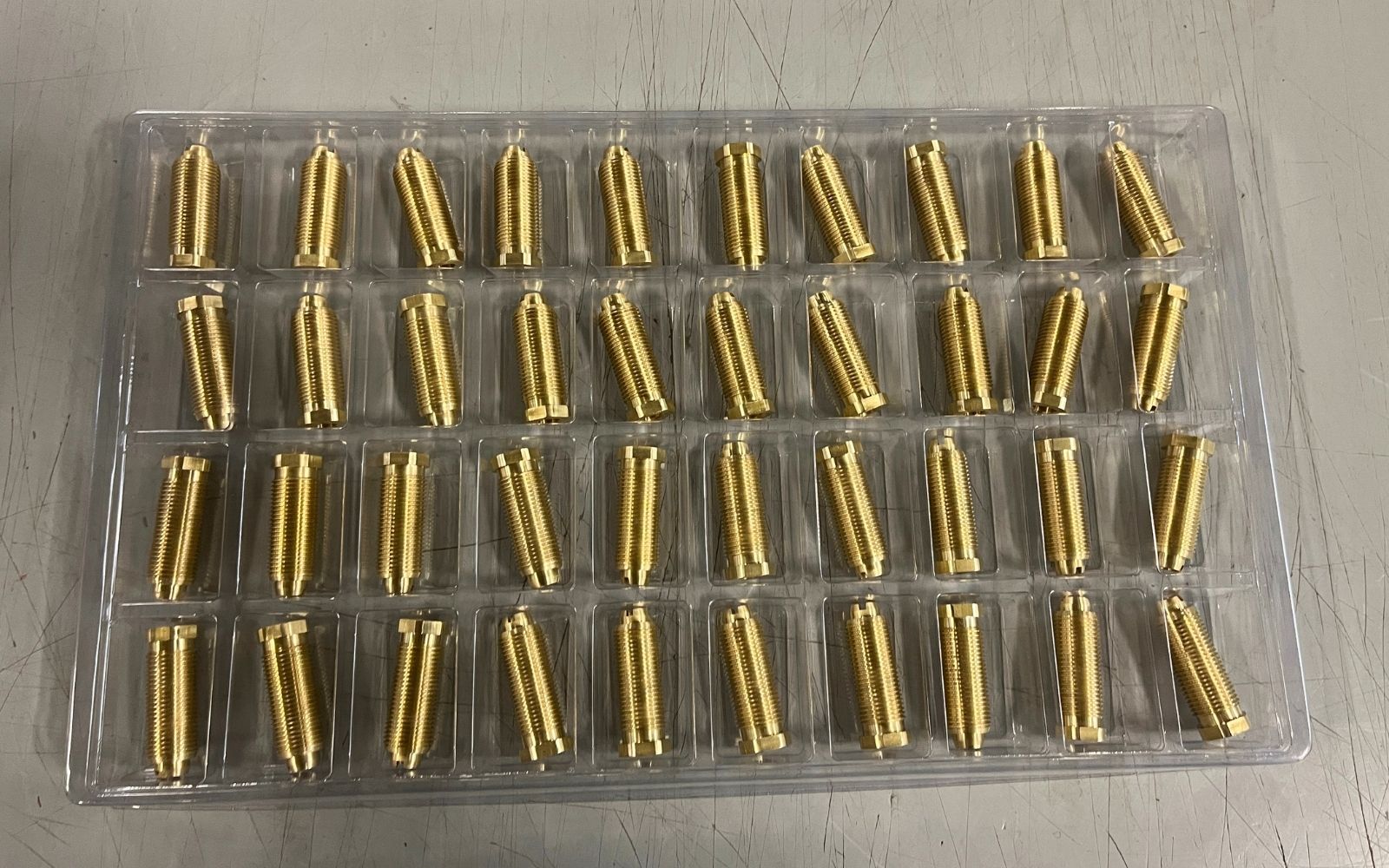
Brass is a versatile copper-zinc alloy that combines exceptional machinability with outstanding corrosion resistance and reliable electrical conductivity. These properties make brass one of the most efficient materials for precision machined parts and components across industries from fluid handling to power and electrical systems.
The addition of zinc to copper gives brass its distinctive balance of high strength, good ductility, and natural corrosion resistance. Brass maintains its mechanical properties across a wide temperature range and delivers strong wear resistance in demanding applications. Its natural lubricity reduces friction in moving parts, while its non-magnetic characteristics make it well suited for sensitive electrical components.
One of brass's most significant advantages is its machinability — often rated the benchmark against which other metals are measured. Brass cuts cleanly, produces smooth surface finishes with minimal tool wear, and holds tight tolerances on complex geometries. Whether you need high-volume screw machined brass parts or intricate Swiss-turned components, brass delivers consistent results at lower machining costs than most comparable metals. The material also accepts a wide range of platings and surface finishes, enhancing both appearance and long-term performance.


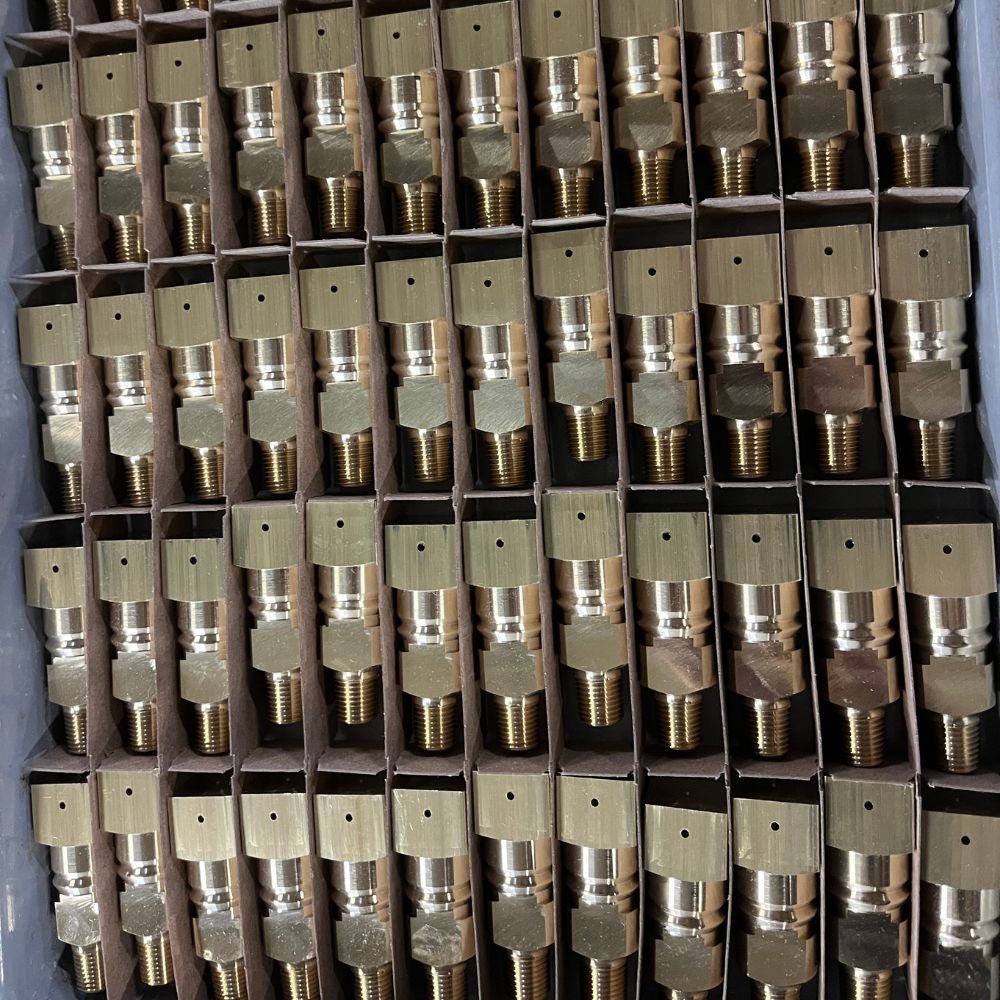

C353 is a leaded naval brass alloy with enhanced corrosion resistance and higher strength compared to standard free-machining grades. Its tin content provides improved resistance to dezincification, making it particularly well suited for marine environments and demanding industrial applications where long-term durability matters.
C360 is the industry standard for free-machining brass, widely regarded as the benchmark for machinability among all copper alloys. Its lead content optimizes chip formation and cutting characteristics, making it the go-to choice for high-volume screw machined parts and CNC turned components. C360 delivers an excellent combination of strength, corrosion resistance, and cost-effective production.
C370 is a low-lead brass alloy designed for applications where reduced lead content is required for environmental or regulatory compliance. It maintains good machinability while meeting stricter lead-content requirements, making it a practical choice for manufacturers transitioning toward lead-free production without sacrificing machining efficiency.
C27450 is a lead-free brass alloy that meets NSF/ANSI 61 and Safe Drinking Water Act requirements, making it the standard for potable water contact applications. Despite containing no lead, C27450 offers good machinability for precision turned and milled components, and is increasingly specified by manufacturers who need to meet strict environmental and health compliance standards.
Brass screw machine parts, CNC turned components, and precision brass machined parts serve a wide range of applications across numerous industries. The material's versatility makes it ideal for both simple and complex machined components in these key sectors:
For fluid handling components, brass delivers exceptional performance through its natural corrosion resistance and smooth surface characteristics that promote efficient flow. The material's excellent machining properties allow for precise internal passages and complex flow paths. Brass also maintains its strength when exposed to various liquids and resists dezincification, making it particularly reliable for long-term fluid control applications.
Common applications:
• Control valve bodies
• Flow meter housings
• Pressure regulator components
• Check valve assemblies
• Threaded pipe fittings
• Hydraulic manifold blocks
• Flow distribution nozzles
Brass is a natural choice for electrical applications, combining good conductivity with excellent machining characteristics. Its ability to be machined into precise geometries while maintaining tight tolerances makes it perfect for connector components. The material's durability ensures consistent electrical contact over time, while its corrosion resistance prevents degradation that could impact conductivity.
Common applications:
• Terminal blocks
• Bus bar components
• Switch housings
• Cable gland bodies
• Connector shells
• Ground terminals
• Junction box components
Brass excels in gas and oil applications due to its resistance to corrosive environments and ability to withstand high pressures. Its low-friction properties prevent galling in threaded components, while its spark resistance provides crucial safety in volatile environments. The material's stability across temperature ranges ensures reliable performance in varying operating conditions.
Common applications:
• Flow control valves and valve bodies
• Pressure gauge fittings and adapters
• Sampling system components
• Distribution manifolds
• Quick-connect couplings
• Instrumentation fittings
• Safety relief valve components
With over 75 years of precision machining excellence, we deliver custom brass parts that meet the most demanding specifications. From prototype development to multi-million piece orders, our ISO:9001 certified facility specializes in handling complex, high-difficulty work with all brass machining materials.
Our commitment to quality, combined with extensive machining capabilities, ensures your brass parts and components are manufactured to the highest standards with competitive lead times.
Our brass CNC milling services utilize advanced vertical and horizontal milling centers with up to 6-axis capabilities. We specialize in complex brass components including custom valve bodies, intricate flow control parts, and precision-milled housings where superior surface finish and dimensional accuracy are essential. Our milling expertise covers all common grades including C360 free-machining brass, C353 naval brass, C443 admiralty brass, and lead-free alloys like C27450.
Specialized in high-volume brass production, our multi-spindle screw machines process bars up to 1-5/8" and chucking to 6". This capability is ideal for large-quantity precision brass machined parts used in fluid control, HVAC systems, pressure instrumentation, and electrical components. We leverage brass's exceptional machinability for optimal production rates and consistent quality across long runs.
Complete brass CNC turning services for bars up to 4" and chucking to 20" diameter. We manufacture precision brass turned components for industrial valves, pressure gauge housings, connector bodies, and fluid control equipment. Our turning capabilities deliver the tight tolerances and exceptional surface finishes that critical brass applications demand.
Precision Swiss turning for brass bars up to 7/8" diameter and lengths to 4". This specialized capability is ideal for small, intricate brass machined components used in precision instruments, flow control devices, and measurement equipment. Swiss machining excels at producing high-accuracy, small-diameter brass parts with superior surface finishes — taking full advantage of brass's outstanding machinability for exact tolerances on complex geometries.
Delivering high-quality, consistent brass components is a top priority at Spex. Our quality system is built on our ISO 9001:2015 certification, guiding how we work every step of the way. We carefully check parts during production to ensure dimensional accuracy and address the specific needs of machining brass effectively.
We apply these same quality standards whether we're making a single prototype or thousands of parts. You can be confident in the results, as each project comes with full documentation, including material certifications, detailed measurement reports, and First Article Inspection Reports (FAIRs). This paperwork clearly shows how your parts meet your exact specifications.
We'd love to hear from you!

Scalable production
Short lead times
Fair prices
ISO-9001 certified
Secondary processes
Range of materials
On-time delivery
75+ years in business
Advanced CNC machining
Rapid prototyping
Several factors affect the final cost. The specific brass alloy chosen impacts material price. Part complexity – including intricate features, tight tolerances, and required surface finishes – influences machining time. Order quantity also plays a significant role, with higher volumes typically allowing for lower per-part costs due to setup efficiencies. Finally, any required secondary operations like plating or polishing will add to the overall cost.
Brass's high machinability translates directly into several project benefits: faster production cycle times, potentially lower machining costs due to reduced time and tool wear, the ability to hold tighter tolerances more easily, and achieving exceptionally smooth surface finishes directly off the machine. This makes it highly efficient for both prototyping and high-volume production runs where speed and cost-effectiveness are important.
Brass readily accepts excellent, smooth surface finishes directly from the machining process due to its machinability. It can also be easily polished to a high, bright luster. Various plating options (like nickel, chrome, or tin) are also commonly applied to brass parts for enhanced durability, corrosion resistance, or specific aesthetic requirements.
Delivering high-quality, consistent brass components is a top priority at Spex. While brass is generally easier to machine than many other metals, precision is still crucial. Our quality system, built on our ISO 9001:2015 certification, ensures careful checks during production for dimensional accuracy and adherence to specifications. These same quality standards apply from prototype to high-volume production runs.
We regularly machine lead-free and low-lead brass alloys including C27450 (lead-free yellow brass) and C370 (low-lead brass). C27450 meets NSF/ANSI 61 and Safe Drinking Water Act requirements for potable water contact applications. While lead-free brass requires adjusted machining parameters compared to traditional C360, our experience with these materials ensures we maintain the same tight tolerances and quality standards across all brass grades.
To provide the most accurate quote, please share detailed part drawings or CAD models, specify the exact brass alloy required (e.g., C360, C260), required tolerances, desired quantity, any critical features, and details on necessary finishing operations (like polishing, plating, or engraving). The more detail provided, the better we can tailor a precise and competitive quote.
